
 English
 Deutsch
 Français
 にほんご
にほんご
 한국어
한국어
 Español
 Português
 Italiano
 العربية
 Nederlands
 Ελληνικά
What is Acne?
The simplest definition of acne is an inflammation of the skin caused by overactive glands. These glands produce an oily secretion called sebum to keep skin moisturized. Sebum builds up in the follicle and forms plugs that trap debris, dead skin cells, bacteria, and sebum. Pimples form as a result.
The causes of acne vary from person to person but are generally associated with oily skin or in combination with other factors.
When you have acne, skincare is important! The first thing you need to do is cleanse. Acne causes irritation, so make sure you wash your face frequently—don’t skip a day! Use a cleanser with noncomedogenic labels to keep skin clean.
Avoid using astringents or toners, as they can irritate the skin and worsen acne. Exfoliants and astringents can also irritate the skin—you should always avoid them.
Symptoms of acne vary greatly—from a few whiteheads to ten painful red pimples. There are many different types of acne, but a few main forms include:
Whiteheads and blackheads: clogged pores; milder forms.
Papules and pustules: inflamed comedones; may be moderate.
Nodules and cysts: deep, inflamed bumps; categorized as severe acne.
Cysts are the most dangerous form of acne, containing pus and requiring a dermatologist's care. Cysts and nodules are commonly seen in young men and boys. If you suspect you have a cyst, make an appointment with your dermatologist immediately.
If your acne is mild, you can self-diagnose and treat it at home with over-the-counter products and medications. But if it persists or causes severe pain, it may be time to see a dermatologist. A dermatologist will perform a physical exam, review your medical history, and may order tests to rule out underlying conditions. Treatment will be tailored to your skin type.
Acne is a very common skin condition affecting people of all ages. It’s caused by multiple factors—including hormones, genetics, medications, stress, diet, and cosmetics—and can range from very mild to very severe. Left untreated, severe acne can lead to scarring and emotional distress.
What Causes Acne?
While your skincare routine isn’t always to blame, certain habits can contribute:
Washing your face too often can irritate skin and trigger breakouts.
Not changing your pillowcase regularly exposes your face to dust, dead skin cells, and bacteria.
Skincare Tips for Clearer Skin
Diet: While not a direct cause, poor diet can worsen acne. Drink plenty of water and eat a balanced diet rich in fruits, vegetables, and lean proteins.
Limit dairy and sugary drinks: Increased milk consumption may exacerbate acne.
Makeup: Avoid oil-based makeup or concealers. If you must wear makeup, choose mineral-based natural products and wash your brushes regularly.
Skincare products: Choose products with holistic, science-backed ingredients. Spa Sciences offers formulations that combine natural components with proven acne-fighting agents.
Blocked hair follicles are a common root cause. Excess sebum from sebaceous glands blocks pores, creating an ideal environment for acne-causing bacteria.
Types of Acne
Acne vulgaris: The most common form, occurring when hair follicles become clogged. Can appear on the face, chest, or back.
Papules: Inflamed comedones that may be tender to touch. Do not pick or squeeze—this worsens inflammation and can cause scarring.
Pustules: Similar to papules but contain pus.
Nodules & Cysts: Deep, painful lesions under the skin. Require professional treatment such as:
Oral retinoids
Birth control pills (for women)
Cortisone injections
Severity varies widely between individuals. Effective treatment often involves multiple approaches and may take 2–3 months to show significant improvement.
Acne Treatment – How to Get Rid of Acne
Although acne isn’t medically dangerous, it can significantly impact self-esteem and emotional well-being, especially if long-lasting. Proper treatment helps prevent scarring and restores confidence.
Daily Routine Recommendations:
Wash your face twice daily (AM & PM) with a gentle, effective cleanser to remove dirt, oil, and grime.
Moisturize: Use a non-comedogenic moisturizer. Products containing at least 10% aloe vera or witch hazel are especially soothing for acne-prone skin.
Exfoliation: Certain exfoliants can help reduce acne and fade scars—but choose gentle, non-irritating formulas. Avoid harsh physical scrubs or textured cloths that can aggravate inflammation.
For more severe cases, consider:
Over-the-counter treatments
Prescription medications
Dermatologist consultation
The best approach depends on your individual skin condition and acne severity.
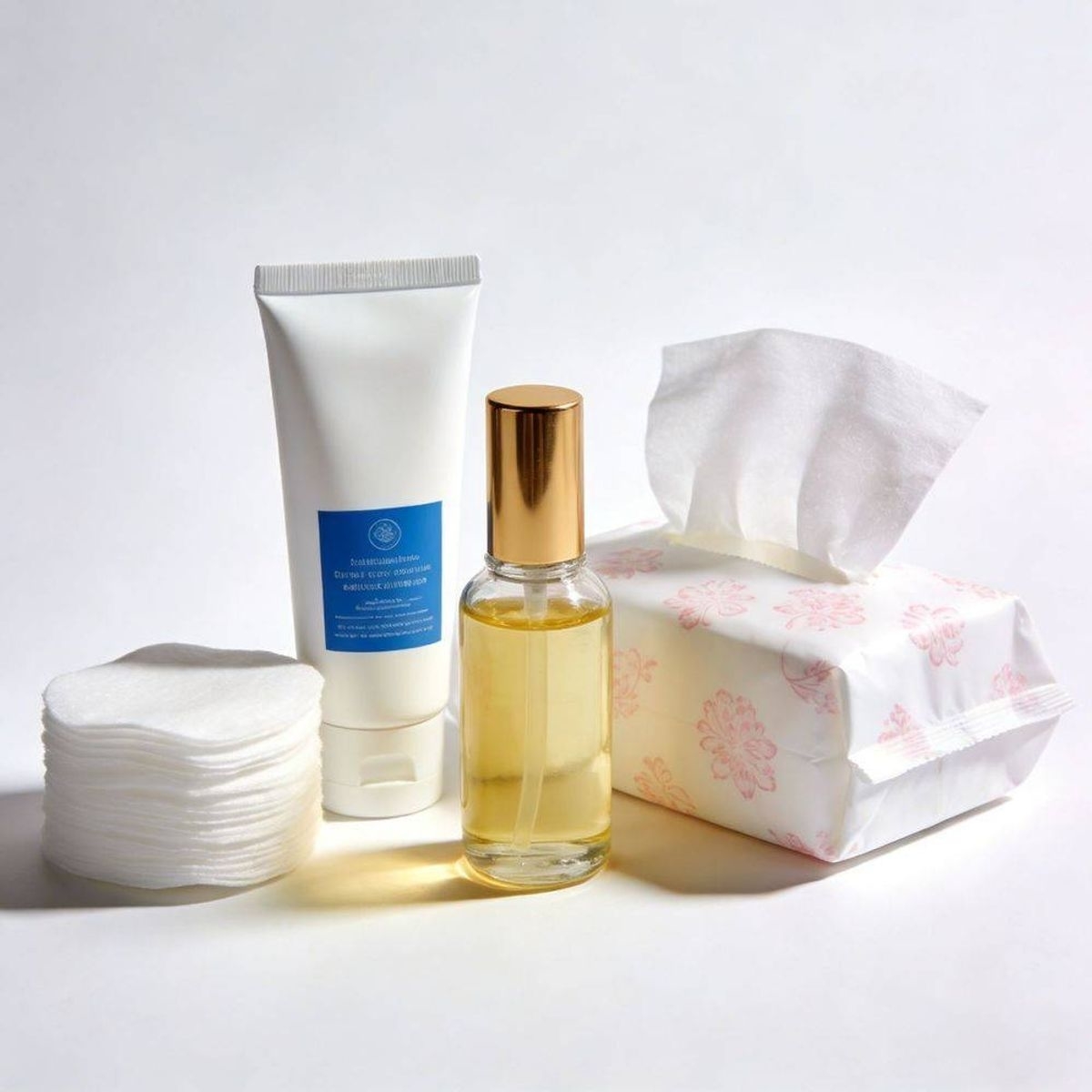
Skincare for Acne
Join Our Newsletter